

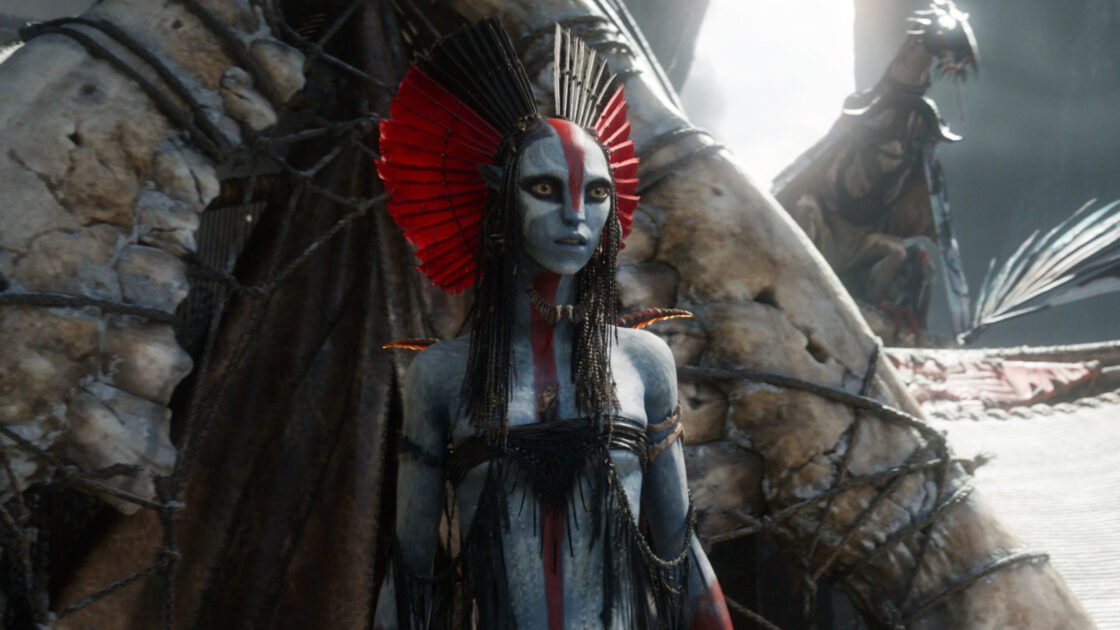
James Cameron hasn’t been shy about how the studio reacted when he expanded the Avatar saga from a tidy trilogy into a four-sequel epic. In his telling, the pushback was immediate. Executives wanted to keep the plan capped at three films—smaller, cleaner, and less risky. Cameron’s response? Look at the numbers. The first two Avatar installments pulled in box-office totals almost no modern franchise touches. If audiences keep showing up, he argued, why force the world to shrink just because it’s a beast to make?
Those conversations happened early, back when Cameron and his writers realized the script for Avatar 2 had grown far beyond the confines of a single film. Splitting it in two is what blew open the architecture of the franchise and transformed a planned trilogy into a sweeping multi-film arc. That’s when the studio understandably hesitated. Greenlighting this universe means committing to some of the most complex visual-effects productions on the planet—back-to-back, at a scale and cost that few studios would casually sign off on.
Their caution made sense. Cameron just wasn’t built with that gear.
Why James Cameron Believes the Expanded Plan Makes Sense
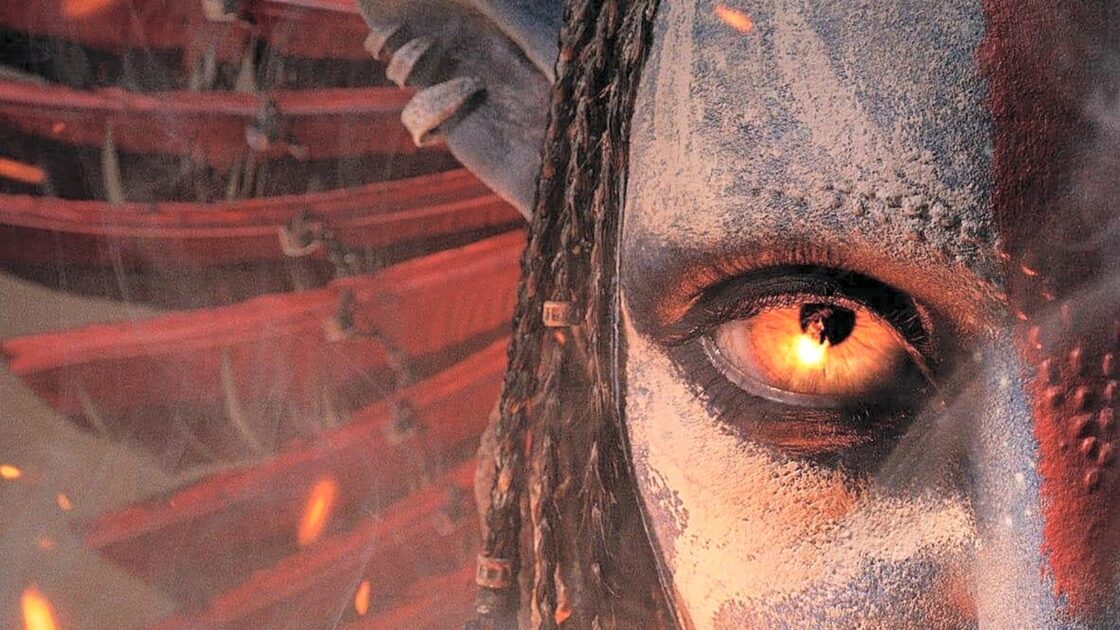
His reasoning is straightforward. The first Avatar made nearly 3 billion dollars. The Way of Water crossed 2.3 billion. Few directors have that record behind them when they ask a studio to take a leap. Cameron has said he reminded executives that this franchise has delivered returns far beyond the norm, and that they shouldn’t panic when the creative process takes an unexpected turn.
He also views the story as something that needs room. One film can’t hold the full Avatar arc that he and his team outlined. Stretching the sequels allows the narrative to grow naturally rather than compressing characters and ideas to fit a predetermined number. James Cameron has never been one to staunch his creative prowess.
What This Means for the Next Avatar Movie

The next film, Avatar: Fire and Ash, is set to release in theaters on December 19, 2025. James Cameron has acknowledged that its performance will matter, and he’s not pretending that the franchise isn’t immune to pressure. If the movie doesn’t connect with audiences, he knows the remaining sequels could be reconsidered.
Still, he speaks about upcoming Avatar films with confidence. He says they’re already deep into the writing and planning process, and the scale of the story will give the world of Pandora more detail and emotional weight. That’s something that longtime fans have craved since 2009. Audiences want a deeper understanding of why the Avatar world matters to the characters who live in it.
The Studio’s Position Isn’t Surprising
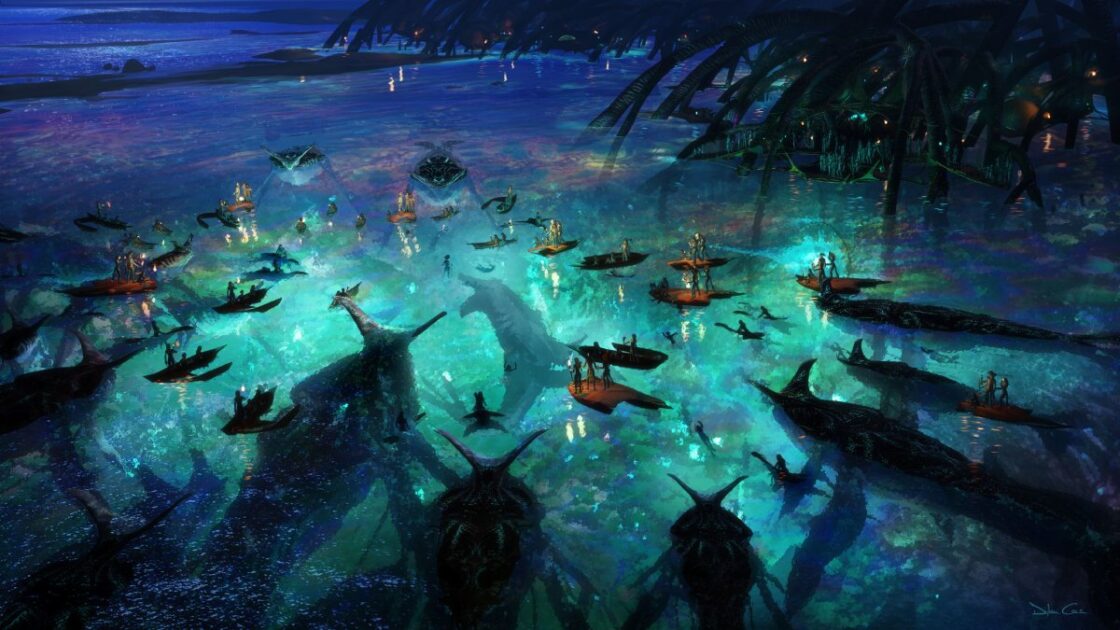
Even though James Cameron ultimately got the larger plan approved, the studio’s caution isn’t unusual. The theatrical universe has changed since the first Avatar. Ticket sales are less predictable, audiences are spread across streaming platforms and theatrical releases, and even successful franchises sometimes hit limits sooner than expected.
Every Avatar film requires years of shooting, motion capture, design work, and post-production. So, when Cameron said he needed more movies instead of fewer, the studio was looking at more than storyboards. They were wrapping their heads around the long-term financial commitment, man-power, and dedicated hours.
But the relationship remains intact. There’s no public sign of hostility between James Cameron and the production studio, just two sides trying to balance creative scope with real-world risk.
What to Watch Moving Forward
Looking ahead, much depends on how viewers receive Fire and Ash once it reaches theaters. Its reception will determine whether audiences still want a multi-film story that unfolds over years rather than in a single sequel. For James Cameron, the focus remains to deliver a film that earns the right to continue world expansion. If it resonates, the path forward stays open. If it doesn’t, the long-term structure of the Avatar franchise may shift again.