

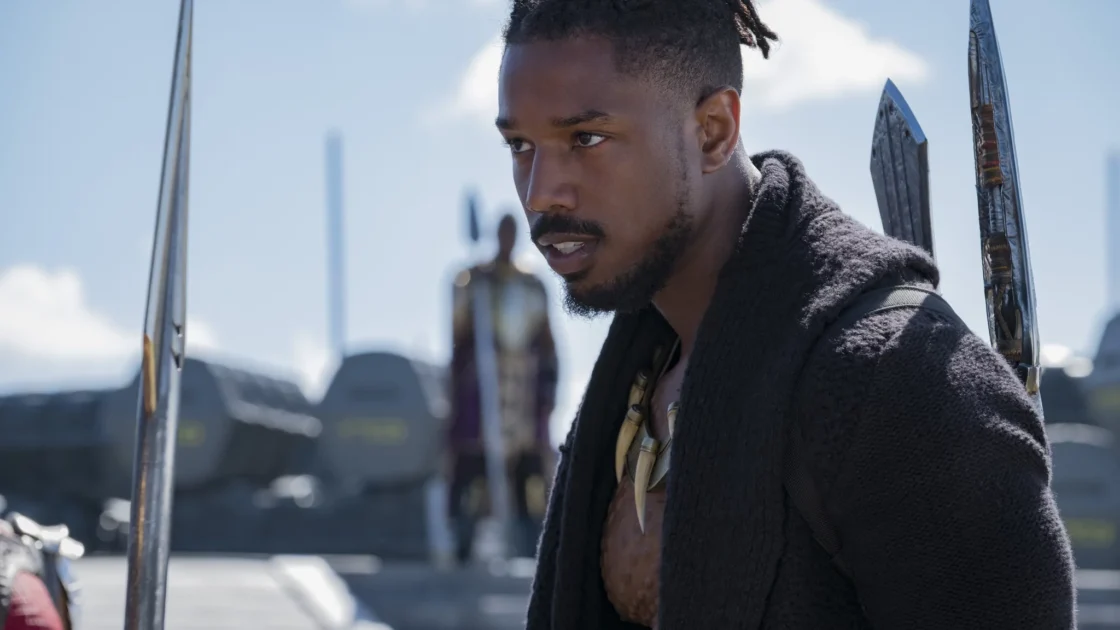
Michael B. Jordan is usually asked about the physical side of his performances — the workouts, the discipline, the body transformations. But in a recent interview, he opened up about something far less visible: what playing Erik Killmonger in Black Panther left behind once the cameras stopped rolling.
Jordan revealed that he went to therapy after finishing the film, not because the role mirrored his own trauma, but because the emotional weight of Killmonger lingered longer than he expected. Playing a character driven by rage, pain, and vengeance meant sitting in a dark headspace for months at a time. There wasn’t a clear roadmap for how to do that — or how to fully shake it afterward.
He explained that embodying a villain like Killmonger required him to live in those emotions without shortcuts. When the project wrapped, he realized he needed a way to consciously separate himself from a character fueled by anger. Therapy became that release valve — a way to decompress, process the experience, and step back into himself.
How Michael B. Jordan Approached Playing Killmonger
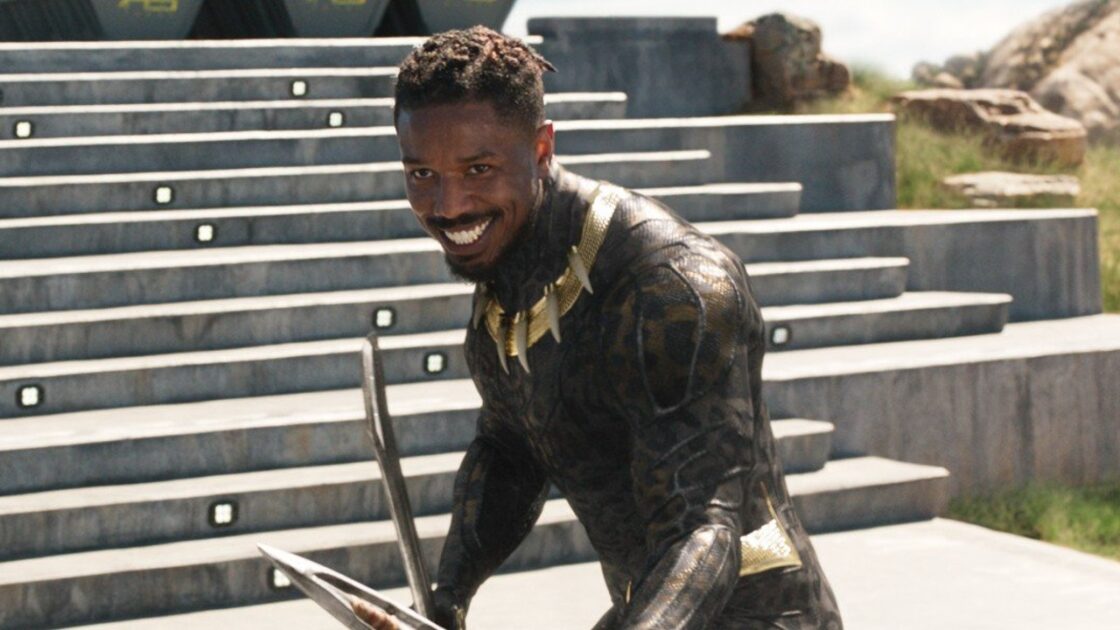
Jordan said he intentionally isolated himself while preparing for the role. He pulled back from close friends and family, staying mentally aligned with Killmonger’s loner worldview. That mindset was shaped by abandonment, rage, and resentment, and Michael B. Jordan wanted those emotions to feel as real as possible.
His approach worked onscreen. Killmonger became one of the most talked-about Marvel villains because he was believable and even relatable. Jordan has said before that he “didn’t see Killmonger as evil” so much as damaged and angry from a lifetime of negative experiences.
What Jordan acknowledges now, after all these years, is that staying in that dark emotional space came with consequences. When filming wrapped, he didn’t automatically return to who he was before Killmonger. Some of the villain’s weight lingered.
Why Therapy Became Necessary
Michael B. Jordan said therapy gave him a place to unpack what he had taken on. He described it as “learning how to step out of a character” instead of carrying parts of them after production. He didn’t have a dramatic breakdown that forced him into treatment. It was more practical.
He realized there wasn’t a built-in off switch after an intense, consuming role. Therapy helped him understand how much he had internalized and how to create distance between his work and his personal life. Jordan was also clear that he didn’t regret playing Killmonger. He’s never spoken negatively about the role or his experience. In fact, he views therapy as part of the process for a healthier mental state.
Separating Himself from the Character
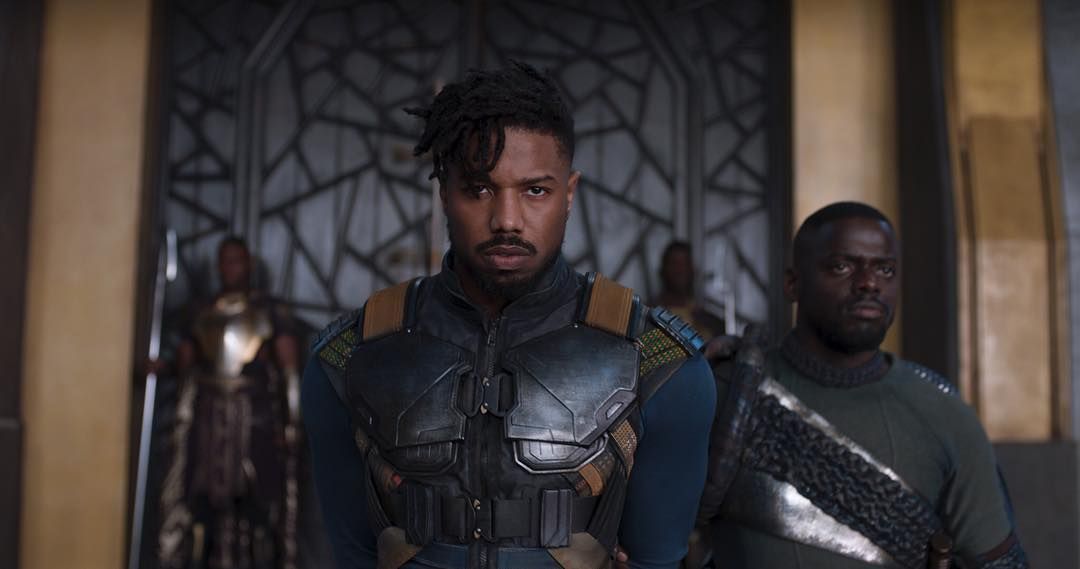
One of the more direct things Michael B. Jordan said was he “needed help decompressing” from Killmonger. He needed pressure release.
Killmonger is a character defined by pain and unresolved anger. Spending months justifying that mindset, emotionally and intellectually, required Jordan to constantly access negative feelings. Therapy helped him close the door on the villain when it was time. He also said the experience changed how he approaches new role. He’s more conscious of how much he carries home and how long he stays in character mentally.
Why Did Michael B. Jordan Choose to Talk About It Now?

Michael B. Jordan didn’t frame his comments as advocacy or advice. He was honestly answering a question. Still, his openness stands out because actors rarely talk about what happens after a role ends. He wasn’t offering a message about self-care or strength, even though he supports therapy and maintaining positive mental health. In this instance, he was simply acknowledging that he addressed an intense, tough role in a therapeutic, practical way.
His straightforwardness is part of why fans fawn over the actor. He’s real, and he doesn’t romanticize mental health struggles. Therapy was a tool, not a turning point. The fact that he recognized the need for therapy shows self-awareness. He noticed the impact and addressed it before it became a problem.