

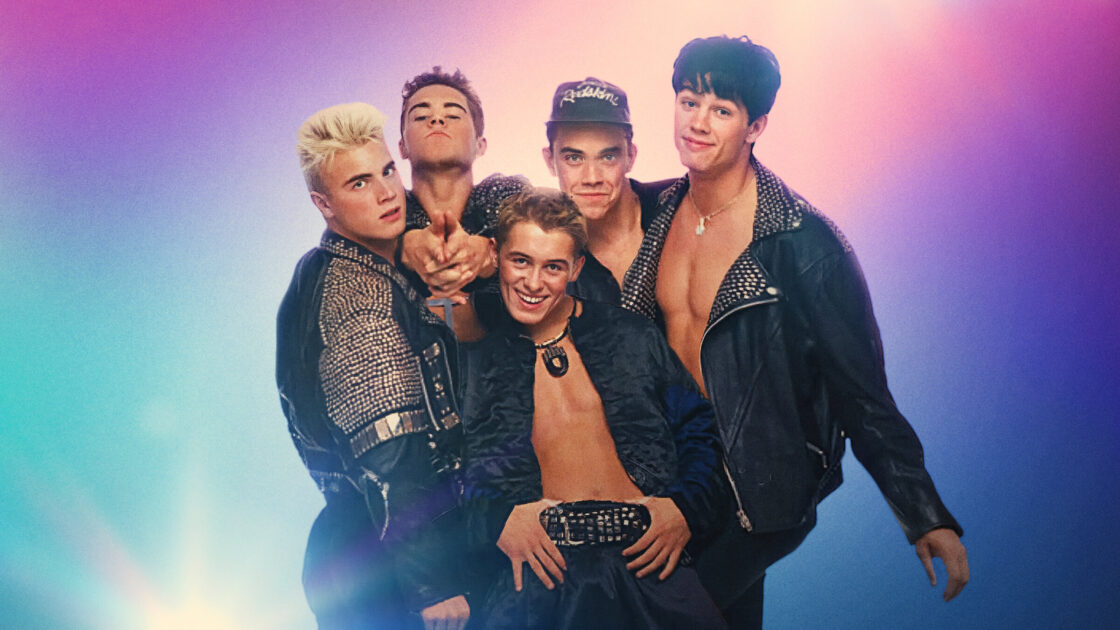
Screaming fans? Chart positions? The Netflix Take That docuseries starts with hindsight over the excess of fame. Take That is a band, decades in, looking back at how everything happened and what it cost them.
The three-part series covers Take That’s full 35-year arc, from their early days in Manchester to becoming one of the biggest pop groups the UK has ever produced. Breakups, reunions, and the long road to stability – it’s all documented, largely told in the voices of Gary Barlow, Mark Owen, and Howard Donald. Robbie Williams and Jason Orange appear throughout archival footage and past interviews that fill gaps in missing years.
How Netflix Take That Docuseries Approaches the Rise to Fame
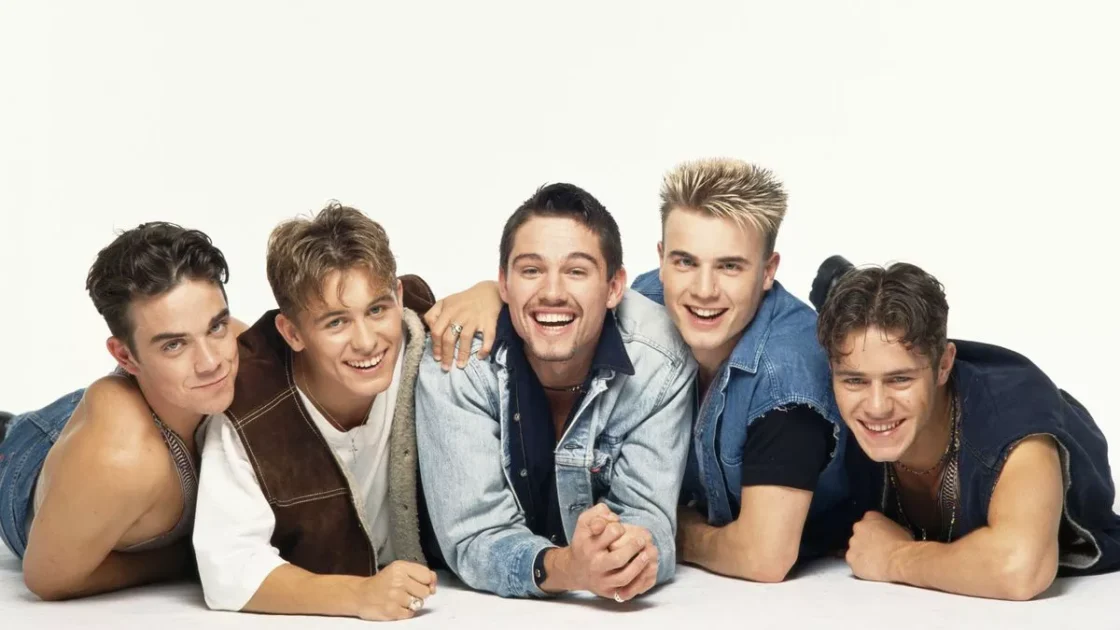
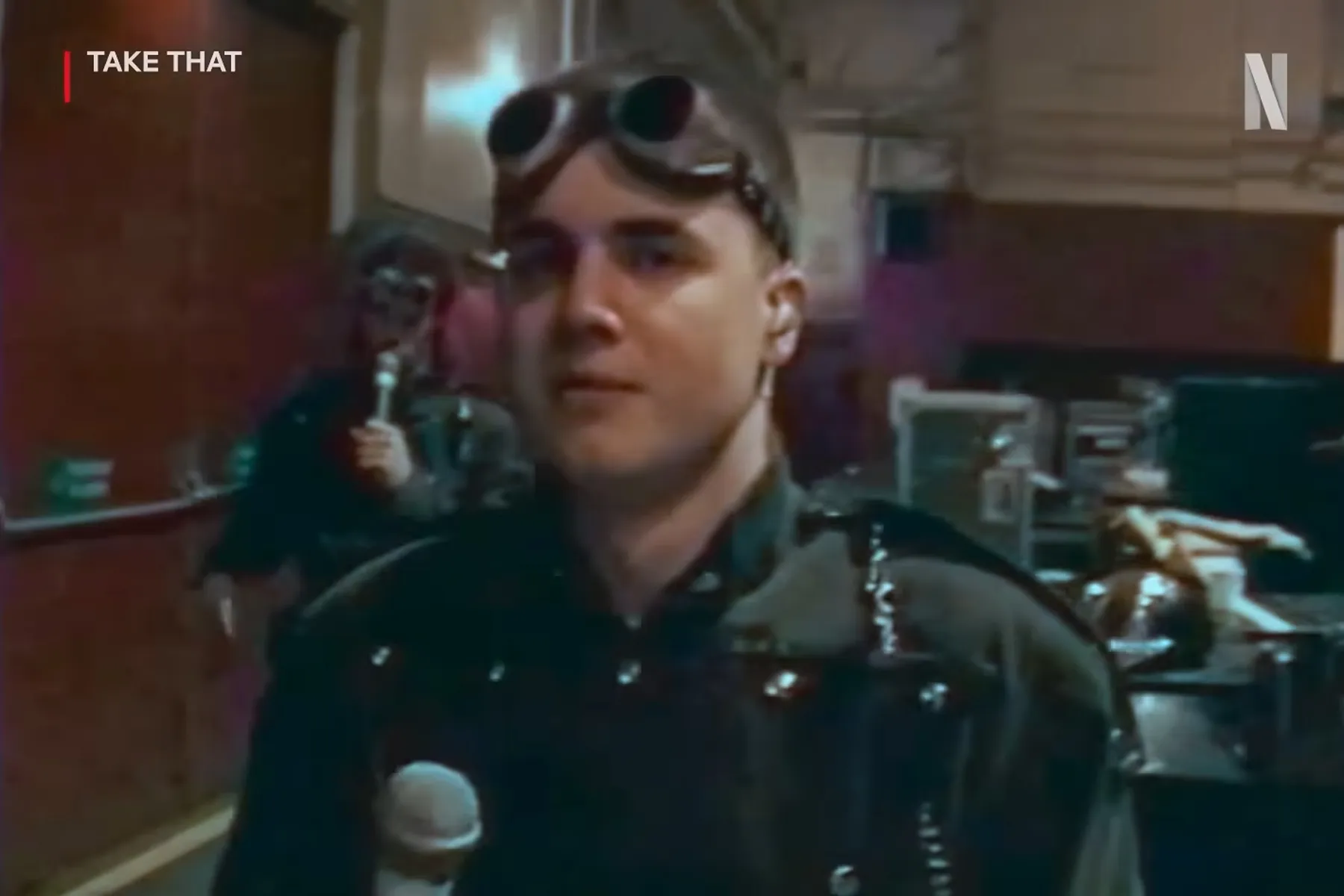
What stands out immediately about the Netflix Take That docuseries is how grounded it feels. Instead of jumping straight to fame, it spends time on how the group was formed, how young they were, and how little control they had from the get-go. The footage shows rehearsals, backstage moments, and promotional chaos from the early 1990s, when success arrived faster than any of them could process.
The band talks openly about how sudden fame distorted normal life. There’s discussion of pressure, expectations, and the strange experience of being packaged as heartthrobs before fully understanding who they were as people. It was confusing, overwhelming, and relentless.
Robbie Williams is Part of the Story, Not Avoided
One of the biggest questions going into the Netflix Take That docuseries was how it would handle Robbie Williams, especially his exit at the height of the band’s success. The first look suggests the series doesn’t dodge that chapter.
While Robbie doesn’t sit for new interviews in the present day, his voice and perspective are present through archival footage and past commentary. The series acknowledges the tension, the imbalance within the group, and the way glitz affected each member differently. There’s no rewriting of history or smoothing over rough edges.
Robbie’s departure is treated as a meaningful turning point – not a footnote. The impacts it had on the band and the fans are given appropriate space for the first time in decades.
The Breakup and What Came After
The Netflix Take That docuseries also spends time on the band’s breakup in 1996 and the fallout that followed. The remaining members speak candidly about burnout, identity loss, and what it felt like to go from being everywhere to suddenly being done.
There’s a noticeable lack of dramatization here. The breakup isn’t framed as a failure or betrayal, but as something inevitable. Too much pressure, too young, for too long.
The later reunions are handled with the same matter-of-fact tone. Rather than selling them as triumphant comebacks, the Netflix docuseries focuses on how much work it took to rebuild trust. Take That had to figure out how to exist together as adults, not boys in a manufactured pop machine.
This Isn’t a Nostalgia Project
Plenty of music documentaries lean heavy on hits and headlines. The Netflix Take That docuseries is more interested in process, like how decisions were made, how relationships changed, and how stardom reshaped personalities. There are still performances and iconic moments, but within the context. You see what was happening around them and backstage, not just what fans saw on stage.
This series is less celebration and more reckoning. The only difference is the lack of self-pittance and bitterness.
Release Timing and What to Expect
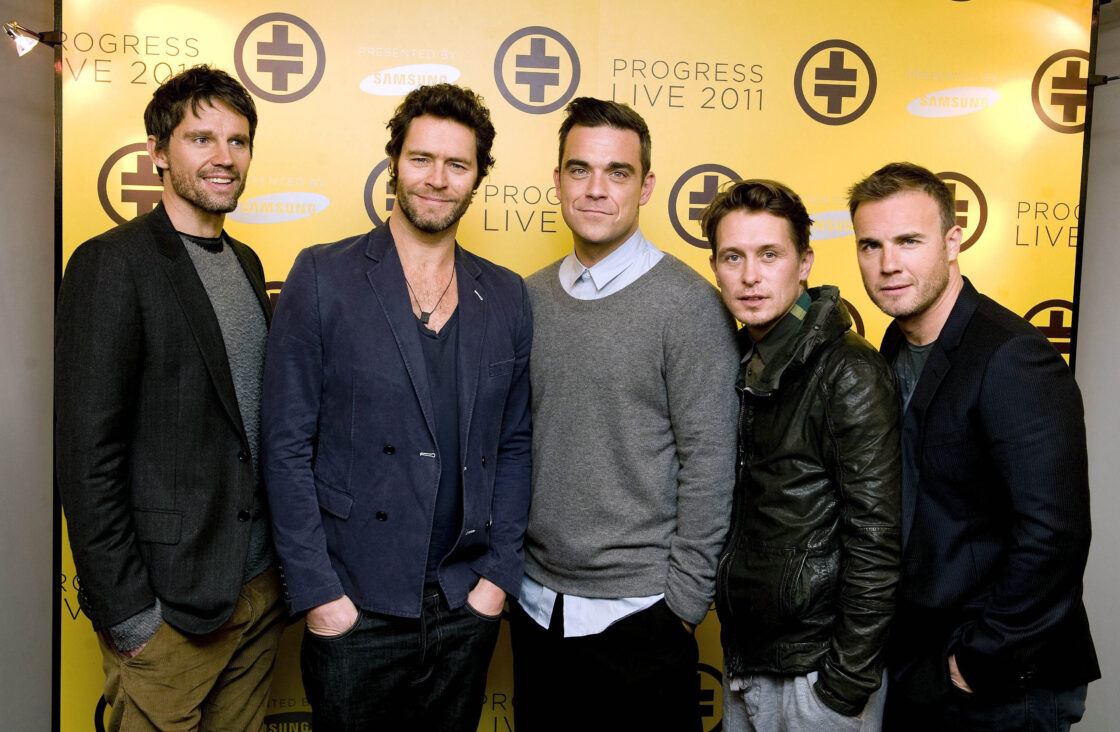
The Netflix Take That docuseries will be released on January 27, 2026. The timing lines up with renewed interest in the band and ongoing conversations about legacy, longevity, and what it means to survive pop fame.
For longtime fans, it’s a chance to see familiar moments from a more honest angle. For newer viewers, it’s a reminder that behind the polished image was a group of young people trying to keep up with something bigger than themselves.