

The Elizabeth Smart documentary coming to Netflix on January 21, 2026, isn’t a retelling of a case everyone thinks they already know. It’s Elizabeth reclaiming her own story—finally, fully, and without the distortion of headlines, pundits, tabloid frenzy, or the dramatized versions that have followed her for more than two decades. For the first time, the voice shaping the narrative is hers alone.
If you were around in 2002, you remember the intensity. Elizabeth’s disappearance became a national obsession—breaking-news banners, live updates, breathless commentary. The country consumed every detail as if it were a real-time drama playing out in their living rooms. But the actual fear, trauma, and uncertainty were carried by a fourteen-year-old girl and a family desperate to bring her home.
This new documentary steps away from everything that defined the old coverage. It strips the spectacle away and centers on who Elizabeth is now and what she wants to say today. More than 20 years later, she’s not revisiting the past for shock value—she’s reframing it on her own terms.
A Personal Retelling, Not a Reconstructed Crime Drama
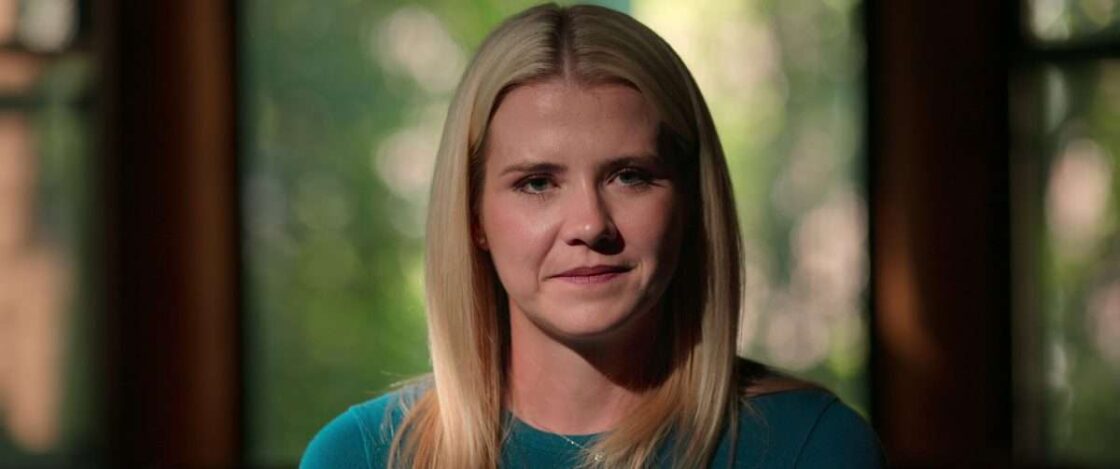
Netflix describes Kidnapped: Elizabeth Smart as a personal retelling. Elizabeth isn’t reenacting anything; she’s reflecting, explaining, and choosing which details to share in a context that viewers never had.
The film includes new interviews with investigators, family members, and people who were directly involved at the time, but to focus remains close to Elizabeth. It explores not only what happened during her abduction, but the turmoil and reintegration afterwards. She spent years of trying to regain feeling of safety, routine, and identity.
That’s something most true-crime projects miss. They chase the crime. This Elizabeth Smart documentary follows the personal, human side of the story.
Why Her Voice Matters Even More Now
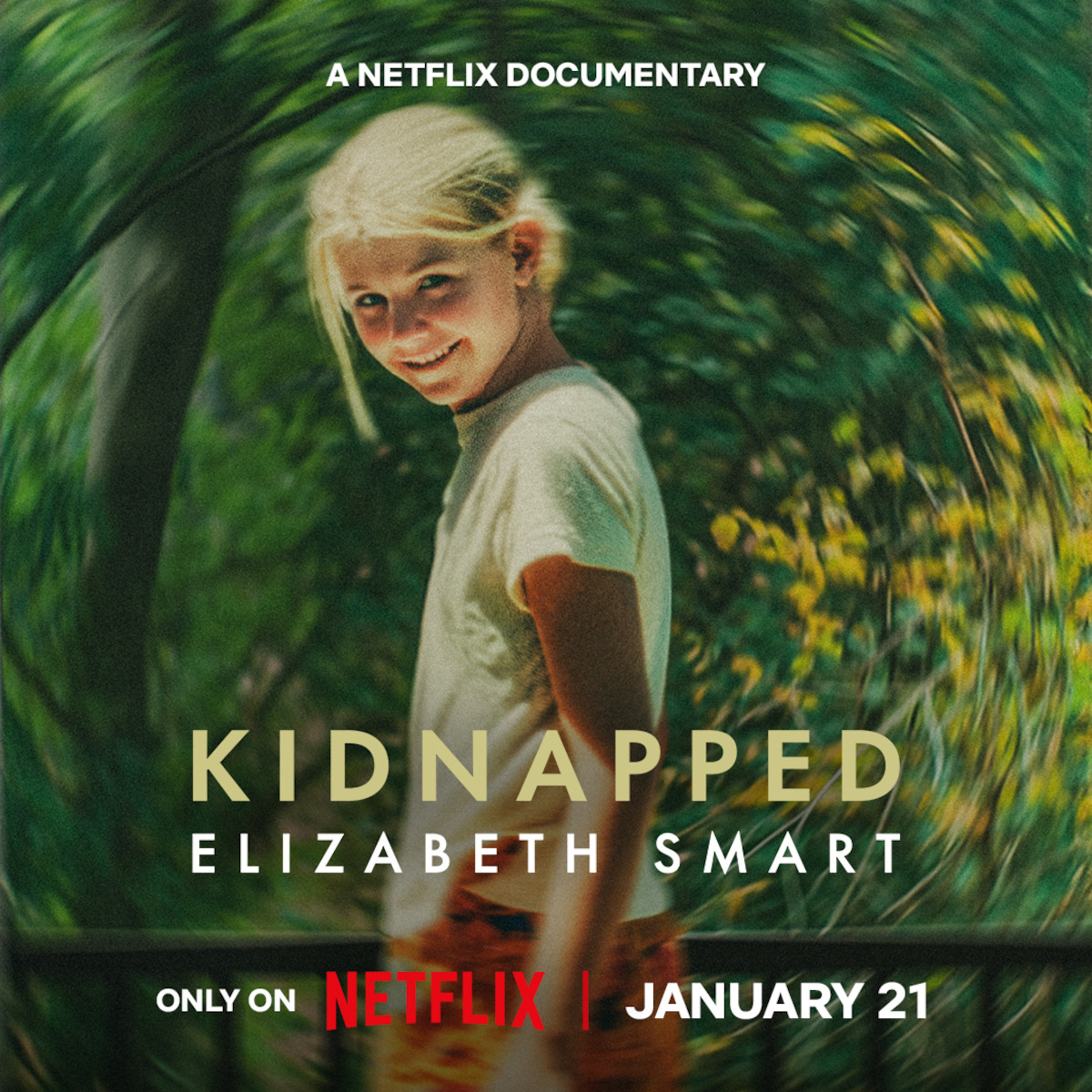
When Elizabeth was rescued in March 2003, the world rushed to celebrate the miracle. What it didn’t do was slow down enough to understand the lasting impact of her experience. She was a teenager, taken into a dangerous situation, saved, and then thrust into national attention, often without space to set boundaries or correct misinformation. Over the years, she built a life that included advocacy, public speaking, writing, and raising a family. But she rarely had the room to unpack her story patiently and confidently.
In a trailer clip, she says, “I wanted to have some ownership over my story.” The Elizabeth Smart documentary gives her that space.
There’s no urgency to the pacing, no sense she’s performing for the camera. She speaks as an adult looking back, not a survivor being asked to relive a trauma for broadcasting. That shift gives the Netflix documentary a calmer tone, even when the subject matter is difficult to comprehend.
New Insight Without Sensationalism
People tuning in for shock value are going to be disappointed, and that’s a good thing. The Elizabeth Smart documentary was made for clarity, not suspense or dramatization.
Viewers can expect:
- First-person details about moments that she’s never spoken about publicly.
- Context from investigators who explain decisions made during the search.
- Candid reflections from family members who lives through the uncertainty, fear, and complicated relief that followed her return.
There’s no attempt to re-break the case or inject horrifying twists. The truth is enough, and the Netflix documentary treats it that way.
Why The Elizabeth Smart Documentary Will Still Resonate

It’s been more than twenty years since Elizabeth was taken from her bedroom, but the case lingers in public memory. It reflects the fears that families rarely talked about openly. A child could be taken from their home in the middle of the night. A community could mobilize and still struggle to find answers. A survivor could come back changed in ways no one could predict.
The Elizabeth Smart documentary focuses on what survival looked like after the news cycle moved on. It shows how some traumatized rebuilds a life in slow, uneven steps. And it shows how Elizabeth turned the most painful, terrifying period of her life into something she could speak about with purpose instead of avoidance.