

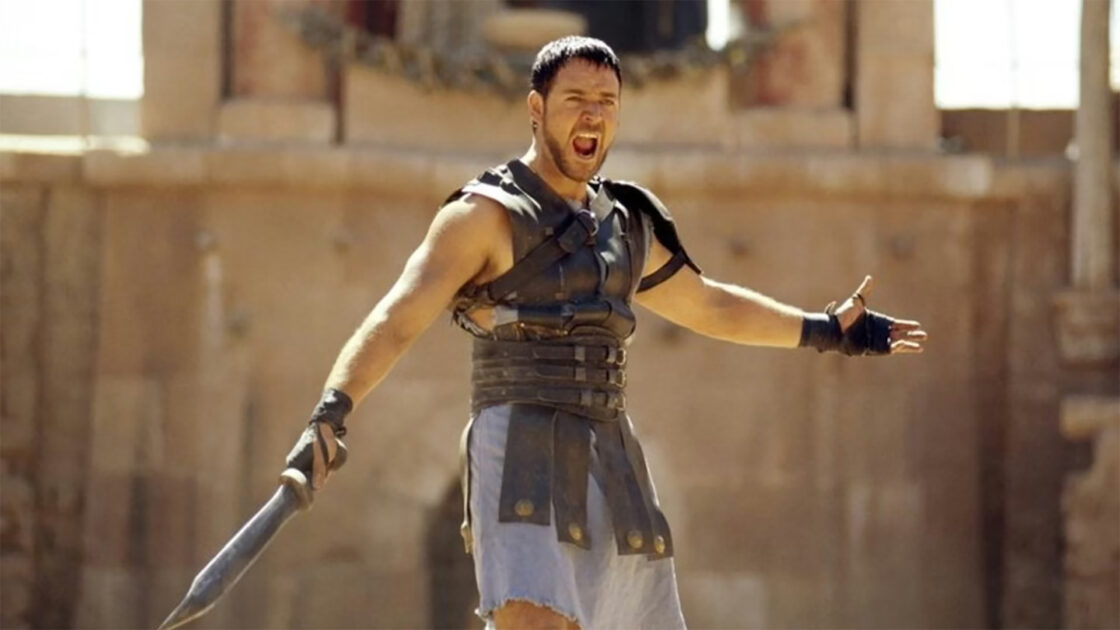
Russell Crowe has somehow become the loudest voice in the Gladiator II discourse—despite not appearing in a single frame of the movie. His critiques of the sequel’s creative pivots have sparked almost as much conversation as the film itself, especially his discomfort with how Maximus’s original backstory has been rewritten. Crowe didn’t mince words: several choices left him “uncomfortable,” and audiences who’ve been side-eyeing the same changes are echoing him loudly.
At the center of Crowe’s frustration is the sequel’s decision to reveal that Maximus fathered a previously unknown child. For Crowe, this isn’t a minor retcon—it cuts straight into the emotional heartbeat of the original film. Maximus’s love for his murdered wife and son wasn’t just backstory; it was the entire engine of his arc, the grief that fueled every decision and every moment on screen. Rewrite that, Crowe argues, and you’re rewriting what Gladiator fundamentally meant.
Still, he’s not dismissing Gladiator II outright. His critique lands more like a warning flare—a reminder that the power of Ridley Scott’s 2000 masterpiece wasn’t in spectacle alone, but in the emotional clarity that made Maximus unforgettable.
Why Gladiator 2 Draws Divided Audience Responses
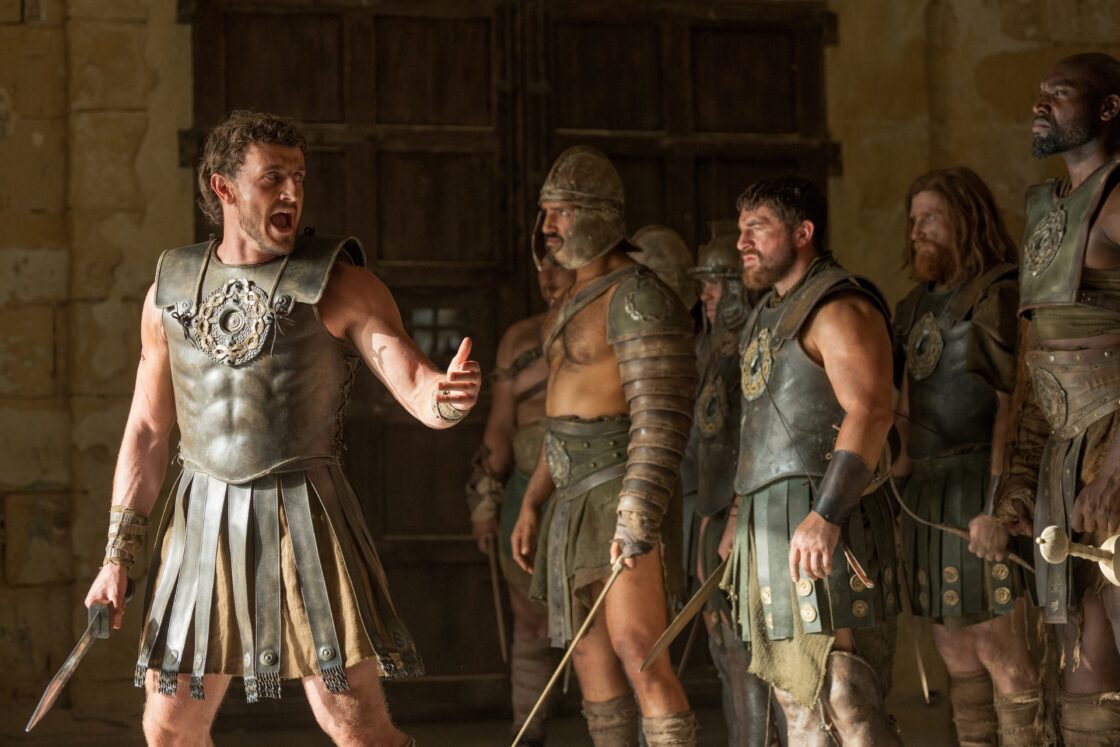
Reviews of Gladiator II reflect many of the same points Russell Crowe raised. Critics widely praised the film’s scale, action sequences, and design work. The Gladiator world looks large and more ambitious, and the production value was undeniable. However, the storytelling drew mixed reactions. Several reviewers described the narrative as crowded, with too many subplots running simultaneously. Instead of focusing on one emotional throughline, the sequel spreads its attention across revenge arcs, political maneuvering, and broader world-building.
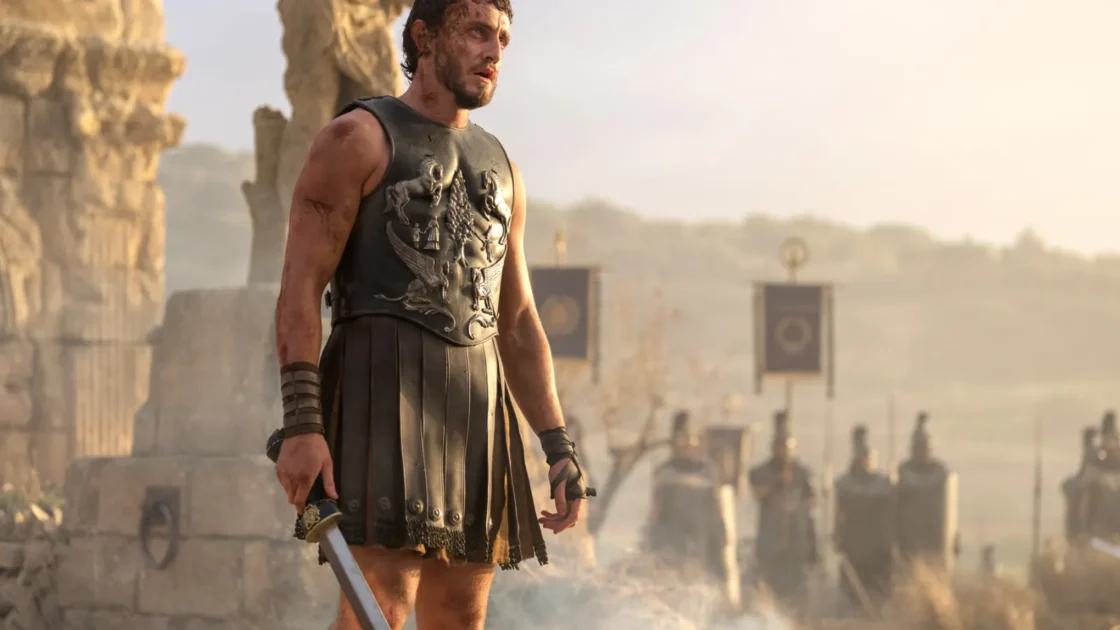
Paul Mescal’s performance as Lucius has been singled out for its intensity, but some critics say the character doesn’t get the kind of emotional grounding that made Maximus memorable. Without that foundation, even strong scenes can feel disconnected. This is where Russell Crowe’s comments align with broader criticism. The original film succeeded because its stakes were simple and personal. Maximus wanted justice for his family, and everything else grew from that. When the sequel shifted the meaning of the story, the tone changed in ways that some viewers found hard to connect with.
ScreenRant and other outlets note that Gladiator II seems torn between honoring the firm film and reinventing it. This results in moments that work individually but don’t fully connect into a cohesive whole.
Russell Crowe Calls Gladiator 2 “A Really Unfortunate Example”
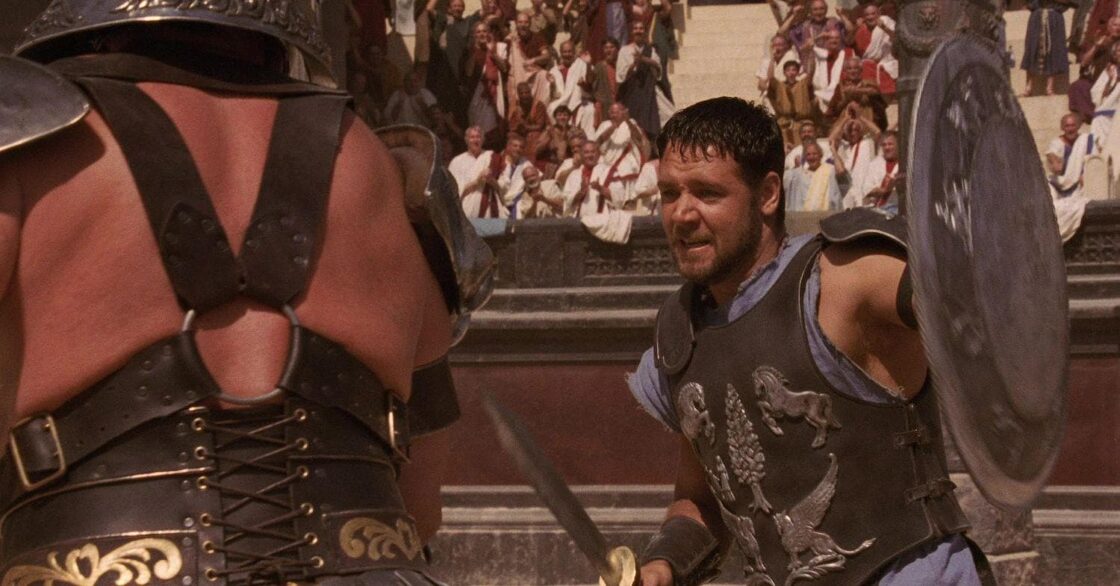
Russell Crowe’s opinion carries weight because he understands the original Gladiator from the inside out. He spoke about how he and Ridley Scott shaped Maximus during production, making sure his choices and reactions aligned with the character’s emotional core. That process defined the performance and helped give the film its lasting impact. When Crowe points out that the sequel moves away from the foundation, he’s speaking from experience, not nostalgia.
His comments also capture something audiences often feel but don’t say directly. When a sequel arrives decades after a beloved movie, viewers expect it to honor the emotional groundwork of the original. Russell Crowe articulates why certain changes feel jarring for long-time fans, saying that Gladiator II is “a really unfortunate example of the creative team not understanding what made the first one special.”
What This May Mean for the Franchise Going Forward
The mixed reactions to Gladiator II won’t determine its financial success, but they will reveal how the movie is remembered. Some audiences appreciate the ambition and attempt to build a broader world inside and outside of the arena. Others feel the sequel tries to grow too far from the heart of the original.
Russell Crowe’s comments add context to that divide, reminding viewers that the emotional clarity of Gladiator was deliberate. It was the result of intentional choices to ground the storyline. As the conversation continues, the future of the franchise may depend on whether viewers embrace the new direction, or if they continue to feel the absence of what Russell Crowe called the “moral core.”