

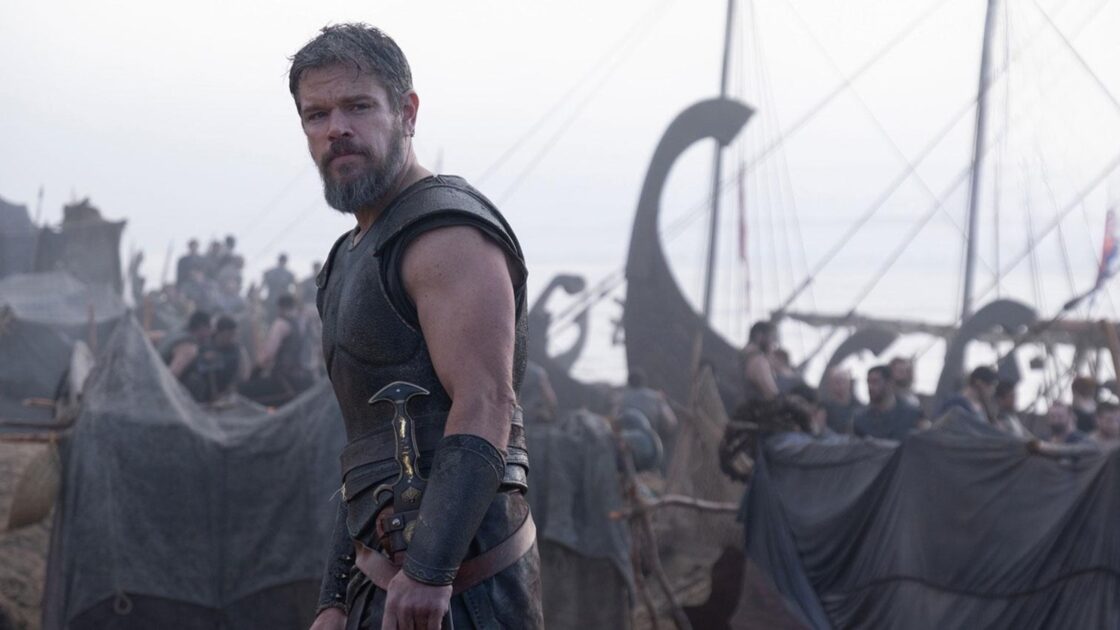
The first trailer for The Odyssey makes one thing unmistakably clear: Christopher Nolan isn’t reimagining Homer’s epic — he’s restoring its original power. Matt Damon anchors the film as Odysseus, and the footage confirms a muscular, unembellished take on the classic text. No glossy myth-making. No modern wink. No fantasy sheen. Just a grueling, large-scale survival odyssey set to hit theaters July 17, 2026.
The trailer wastes no time establishing its ambition. This is not a victory lap after the Trojan War; it’s the opposite. Odysseus isn’t a triumphant hero striding home — he’s a battered man clawing his way back to Ithaca through violence, loss, and unforgiving seas. Nolan leans directly into the original structure of Homer’s poem, charting the brutal, years-long journey that shaped the character long before he ever set foot on his palace doorstep.
What stands out most is the restraint. The Odyssey isn’t simplified, softened, or reinterpreted for modern taste. The trailer assumes its audience knows the myth and builds tension from what truly mattered in the source material: time running out, distances that feel endless, choices that echo, and the harsh reality of surviving long enough to get home. The saltwater is constant, the stakes are primal, and the tone is pure Nolan — elemental, immersive, and unflinching.
Matt Damon’s Odyssey is Defined by Judgment, Not Strength
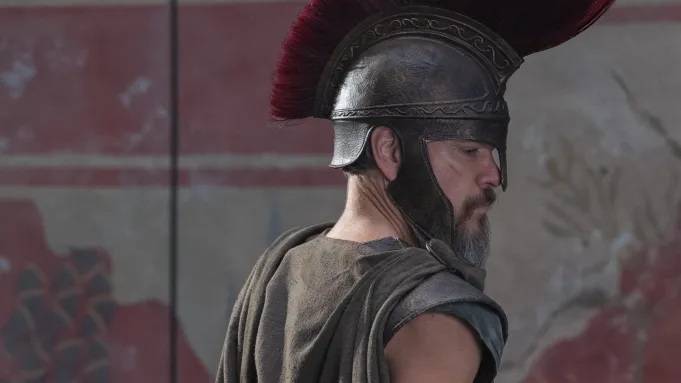
In Homer’s poem, Odysseus survives because he thinks, waits, and adapts when plans collapse. The Odyssey trailer reflects the human version of that character, not the hero so many have made him into across generations of adaptations. Damon plays him as cautious and aware, someone who’s learned that force creates more trouble than it solves.
There’s no emphasis on dominance or heroics. Instead, Damon’s Odysseus observes his surroundings, weighs decisions, and moves carefully. That approach fits a character who has already angered Poseidon by blinding the Cyclops Polyphemus and knows the sea itself is now hostile terrain.
The Sea is the Primary Antagonist
The Odyssey trailer treats the ocean the same way Home does – as a constant threat rather than a calm backdrop. Storms, wreckage, and empty, hopeless horizons dominate the visuals. This reflects Odysseus’ repeated failures to reach home despite moments where Ithaca seems close enough to touch.
The danger feels impersonal and unavoidable. That aligns with the poem’s structure, where punishment arrives without warning and progress is repeatedly undone. Nolan doesn’t linger on monsters or explain gods and mythologies. He presents the sea as the obstacle that keeps resetting the journey.
Troy is the Beginning of the Problem in the Odyssey Trailer
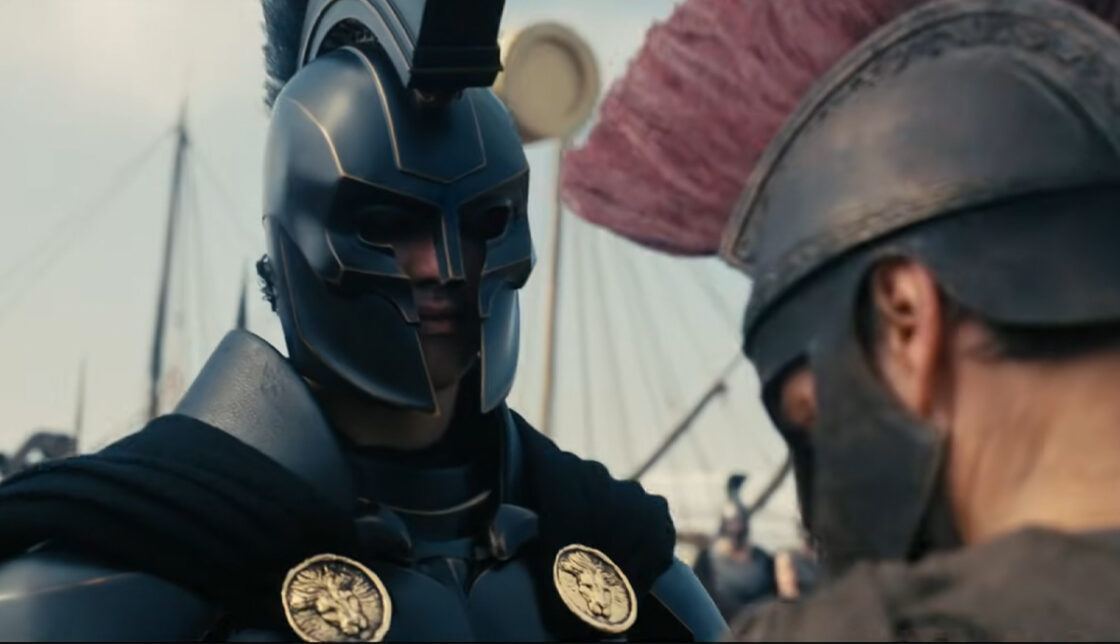
References to the Trojan War appear in the beginning of The Odyssey trailer, complete with the infamous Trojan Horse. However, the trailer is somber after the victory, making it clear Troy’s downfall isn’t the achievement to celebrate. In Homer’s story, Odysseus’ role in ending the war through the Trojan Horse marks the beginning of his hardship and mortal punishment. There’s no conclusion.
The Odyssey trailer presents the fall of Troy as a completed mistake rather than a victory. Odysseus’ intelligence winds the war, but it also draws the attention of the gods, which extends his exile. Nolan treats that cause-and-effect relationship as the driving focus of the entire movie.
Penelope and Telemachus are the Real Stakes
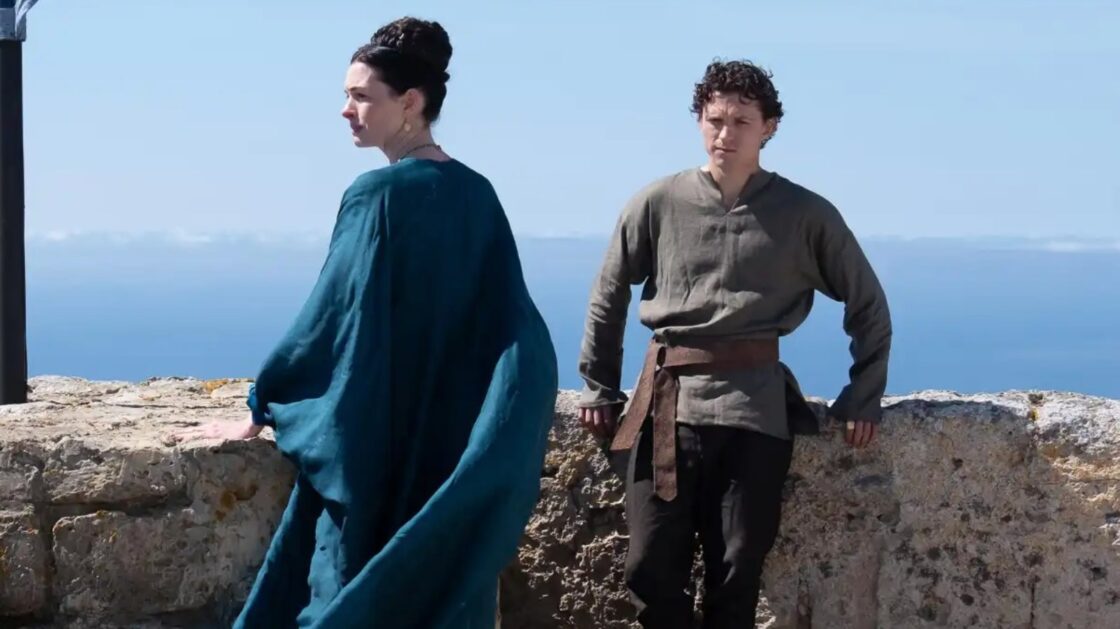
Anne Hathaway’s Penelope is shown waiting with resolve rather than desperation. In the poem, Penelope survives by delaying the marriage and managing her household while suitors overrun Ithaca. The Odyssey trailer presents her as steady and practical, fitting the source material.
Tom Holland’s Telemachus represents another cost of absence. Odysseus leaves when his son is an infant, returning to a young man shaped by his father’s story rather than lived memories. The trailer allows that distance to speak for itself with sad tension – no explanations or sentimentalities.
What the Trailer is Promising
The Odyssey trailer uses wide shots to show distance and isolation, turmoil and desperation, not heroism. The choice to shoot on IMAX film adds texture without romanticizing the atmosphere. This promises a faithful and direct adaptation of the original story. It’s a retelling of a man trying to finish a journey that refuses to end. That endless, exhausted focus gives the film emotional weight, making Nolan’s version grounded and serious.