

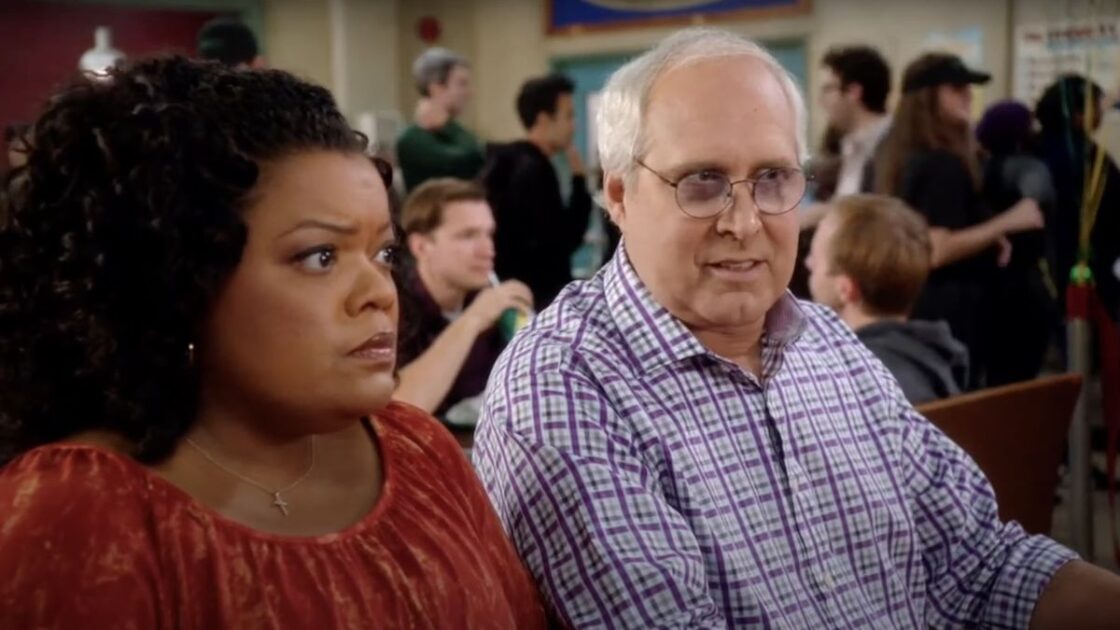
Yvette Nicole Brown is firing back – “keep my name out of your mouth” – after being publicly addressed in coverage for CNN’s upcoming Chevy Chase documentary. In a viral Instagram post, she made it clear she doesn’t want her named associated with the film or conversations around it. Brown added that people speaking about her or sharing supposed details of her experiences “do not know me,” and she refuses to comment further.
She didn’t provide additional commentary on the documentary itself or Chase’s behavior. Her message focused on stopping the circulation of her name in contexts that she hadn’t agreed to be part of.
What Brought Yvette Nicole Brown into the Conversation
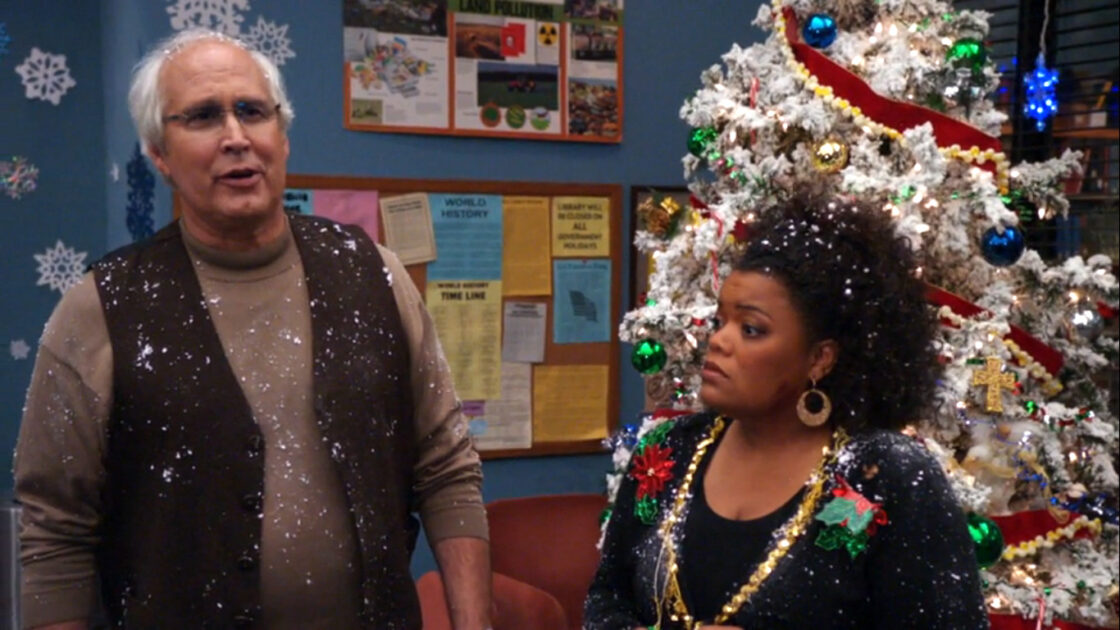
The documentary, titled I’m Chevy Chase and You’re Not, covers the long career of Chevy Chase, best known for the National Lampoon Vacation franchise, Fletch, Caddyshack, and Funny Farm. The film covers his early success and reports of tensions on various sets, like a revisit to a 2012 incident on the set of Community. Chase allegedly made a racially insensitive remark during the rehearsal of a scene involving a “blackface hand puppet.”
According to accounts included in the documentary, Yvette Nicole Brown walked off the set after the comment and wouldn’t return until Chase issued apologies. Other cast and crew members have previously discussed the incident in interviews and public statements, but Brown wasn’t interviewed for the documentary and didn’t participate in production.
Her recent statement appears to be a response to stories and social media posts referencing her reaction to what may have happened, rather than the Chevy Chase documentary itself.
Why She Chose to Respond
In her Instagram post, Brown wrote that she has “nothing to say” about the documentary and doesn’t want her name associated with the coverage. She specifically asked that people stop speaking or posting about her relation to the actor, stressing that media outlets don’t represent her or her perspective.
By saying “keep my name out of your mouth,” Brown reinforced that she didn’t agree to be part of the narrative. Yvette Nicole Brown didn’t make further allegations or expand on details of the past incident. Instead, her messages was focused on control over how her name and experiences are referenced going forward.
Her response didn’t reopen debate about the original situation on set. However, it did clearly signal that she doesn’t want to be drawn into ongoing discussions about the Chevy Chase documentary or its portrayal of past events.
Why This Resonates Beyond the Documentary

Yvette Nicole Brown’s response speaks to a broader tension in how Hollywood revisits its past. Retrospective documentaries often aim to reassess careers, assign accountabilities, or reframe public narratives, but they also frequently rely on the experiences of people who aren’t interested in participating. Brown’s message highlights the disconnect that can happen when a person’s history is treated as public property instead of personal experience.
Her decision to step in, briefly and decisively, reframes the issue away from the documentary’s intent and toward consent. While past events may be part of the historical record, Brown’s stance draws a distinction between acknowledging a history and repeatedly repurposing it. The fact she didn’t challenge any specific details suggests her concern isn’t accuracy but agency.
Putting Her Response into Perspective
Yvette Nicole Brown decided to push back. This moment reflects a growing pushback from performers who no longer feel obligated to contextualize someone else’s story, especially when doing so requires opening old wounds. Brown’s approach rejects the expectation that silence equals availability. By setting a boundary in real time, she asserts control over how and when her experiences are referenced.
In a media environment driven by renewed interest in accountability and legacy, her response serves as a reminder that participation isn’t automatic. Being part of a story once doesn’t mean agreeing to retell it forever.