

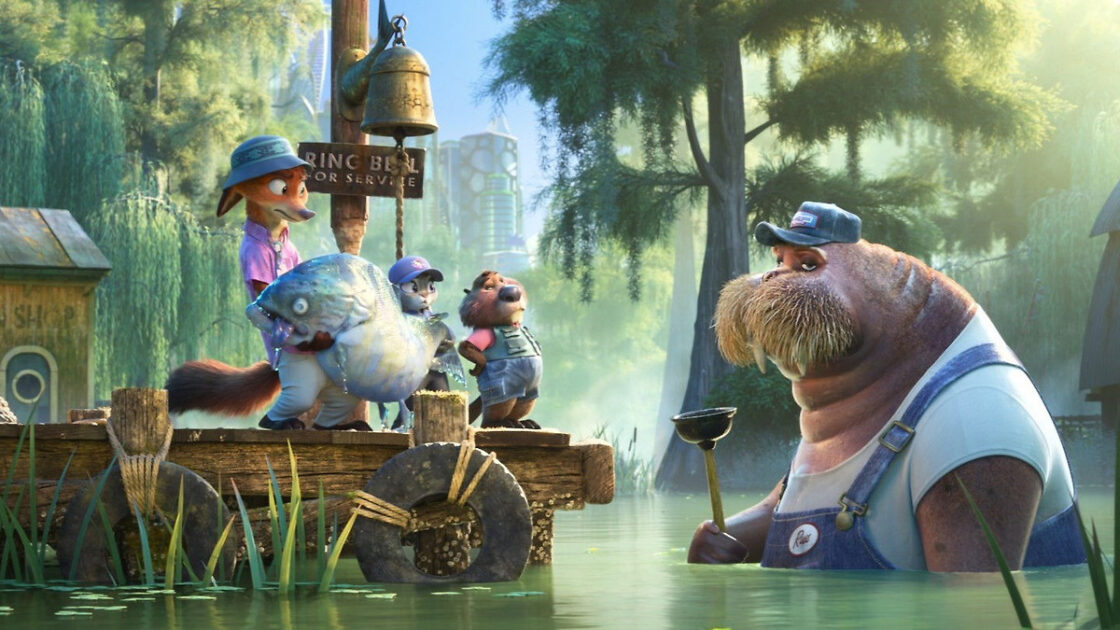
Zootopia 2 didn’t just cross the $1 billion mark — it sprinted past it in 17 days, joining the elite club of animated movies that blow past expectations before you can even finish your popcorn. But the number isn’t the story. The story is why people showed up. And let’s be honest: they didn’t pack theaters for “another visit” to Zootopia. They came for Judy Hopps and Nick Wilde — that odd-couple duo whose chemistry could power an entire city grid.
The sequel drops us right back into their rhythm: Judy and Nick knee-deep in day-to-day police work, chasing a case that zigzags through Zootopia’s wildly different districts. There’s no slow recap, no hand-holding. Outside of a few quick flashbacks, the movie trusts that we know these two — and it uses that trust to push their story forward.
Judy and Nick move with a confidence that wasn’t fully formed in the first film, and watching them click is part of the thrill. That easy charisma, that lived-in partnership, is exactly why fans keep going back for repeat viewings. And those repeat viewings? That’s the real fuel behind Zootopia 2’s box-office rocket ride.
Did Zootopia Expand When No One Was Looking?
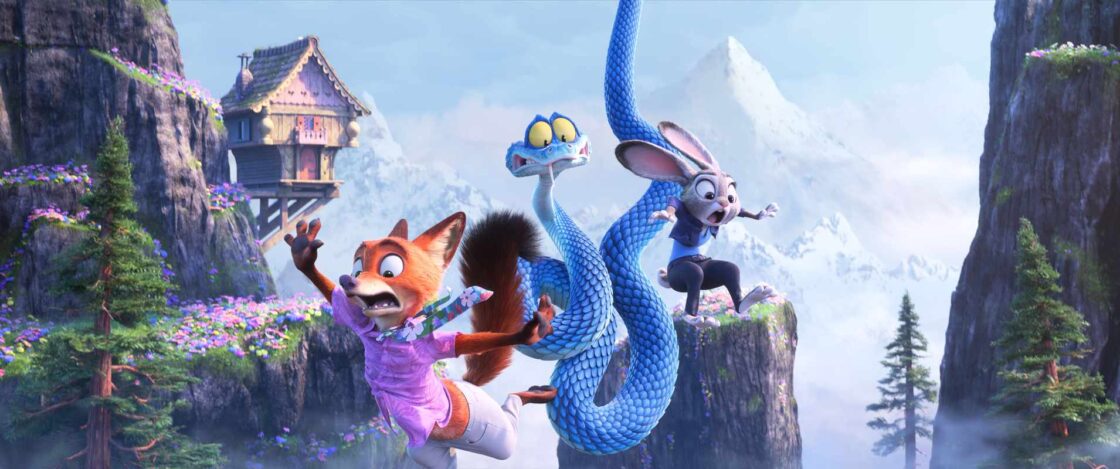
One of the most effective choices in Zootopia 2 is how it expands the city. New districts appear naturally as the investigation widens. Judy and Nick move from dense commercial zones into swamp-controlled areas and reptile-run neighborhoods, where access is restricted and inhabitants are secretive. The geography matters because it slows them down, complicates authority, and forces them to rely on different instincts in challenging, mysterious situations.
A mid-film chase through a layered transit hub stands out. Prey and predator routes split vertically, sending Judy climbing while Nick slips through lower corridors. Eventually, the two converge in an aquatic pipeline that wasn’t meant for either of them. The sequence works because it plays to how each character thinks under pressure, while effortlessly topping the first film’s action.
Judy and Nick as Experienced Partners with a Few Flaws
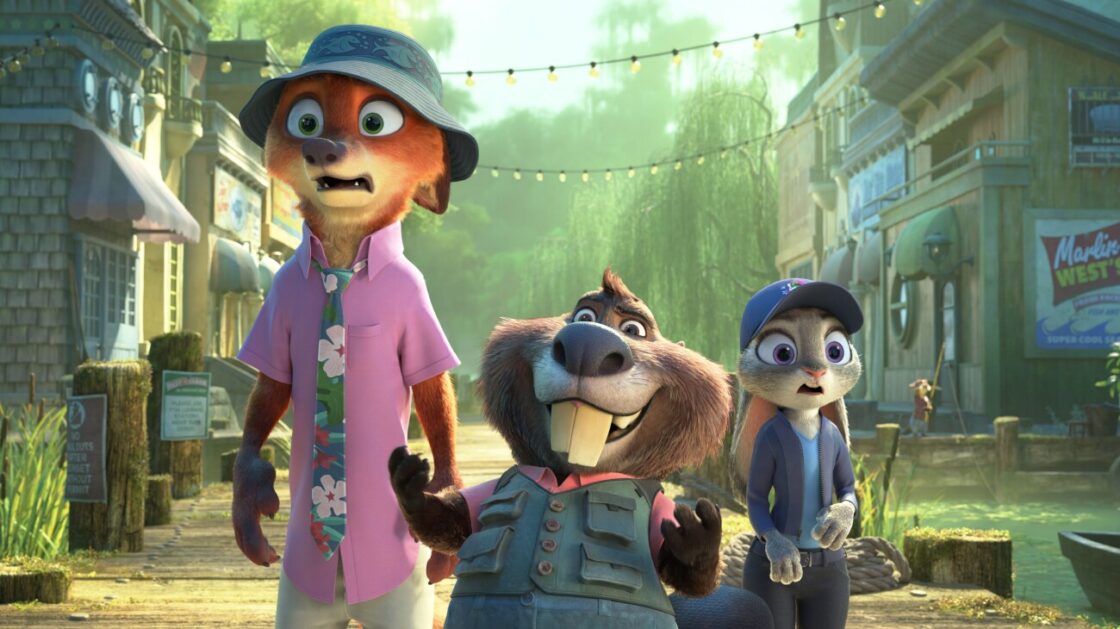
Judy Hopps, played by Ginnifer Goodwin, isn’t proving she belongs. She’s enforcing rules and running down criminals with the speed of, well, a rabbit. Several scenes show her struggling to reconcile police procedure with outcomes, especially when dealing with Zootopia officials who care more about containment than resolution.
Nick Wilde, voiced by Jason Bateman, remains observant and flexible. In an early interrogation scene, he quietly tracks inconsistencies while Judy focuses on statements and timelines. Their dynamic has changed. Where Judy pushes forward, Nick pulls back. While neither of them is wrong, Zootopia 2 relies on that tension to drive the plot to a monologuing conclusion.
Comedic maturity is one of the sequel’s strengths. While there are many funny parts, the plot trusts silence and disagreement between the two main characters. There’s internal conflict, not just punchlines, to carry emotional weight.
Zootopia 2 Features New Characters That Disrupt the System
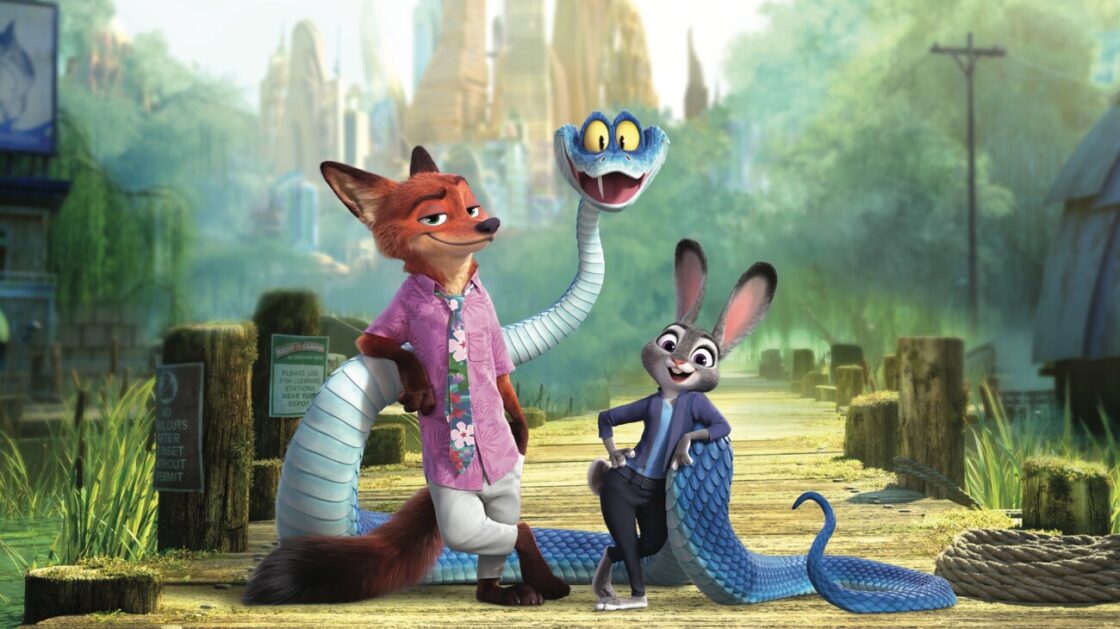
Ke Huy Quan’s De’Snake becomes important early. His first interaction with Judy and Nick is polite but hurried, as he begs for them to look the other way in a bid for him to save his family. He never raises his voice, but he’s rushed and pleading. Judy and Nick have to confront how much their authority depends on department cooperation, and if doing the right thing means going against their jobs.
Supporting characters are used sparingly. Quinta Brunson voices a city official whose priority is public stability, which means burying facts to keep the peace. Danny Trejo appears as a rebel, fitting his typical role persona. Both characters create friction essential to the story, keeping the plot focused.
Why the Box Office Boomed So Fast
Zootopia 2 climbed the box office sales in record time, reflecting strong word of mouth and sustained attendance. Families came back, older viewers returned, and the film held weekday numbers that rarely dipped, especially in international markets.
Chila has been a major driver, which echoes the first film’s success there in 2016, nearly a decade ago. Scenes set in tightly packed urban districts with dozens of background characters have been cited as effective overseas because audiences there can relate. Zootopia feels lived in, crowded, and complex, translating well across different cultures.